

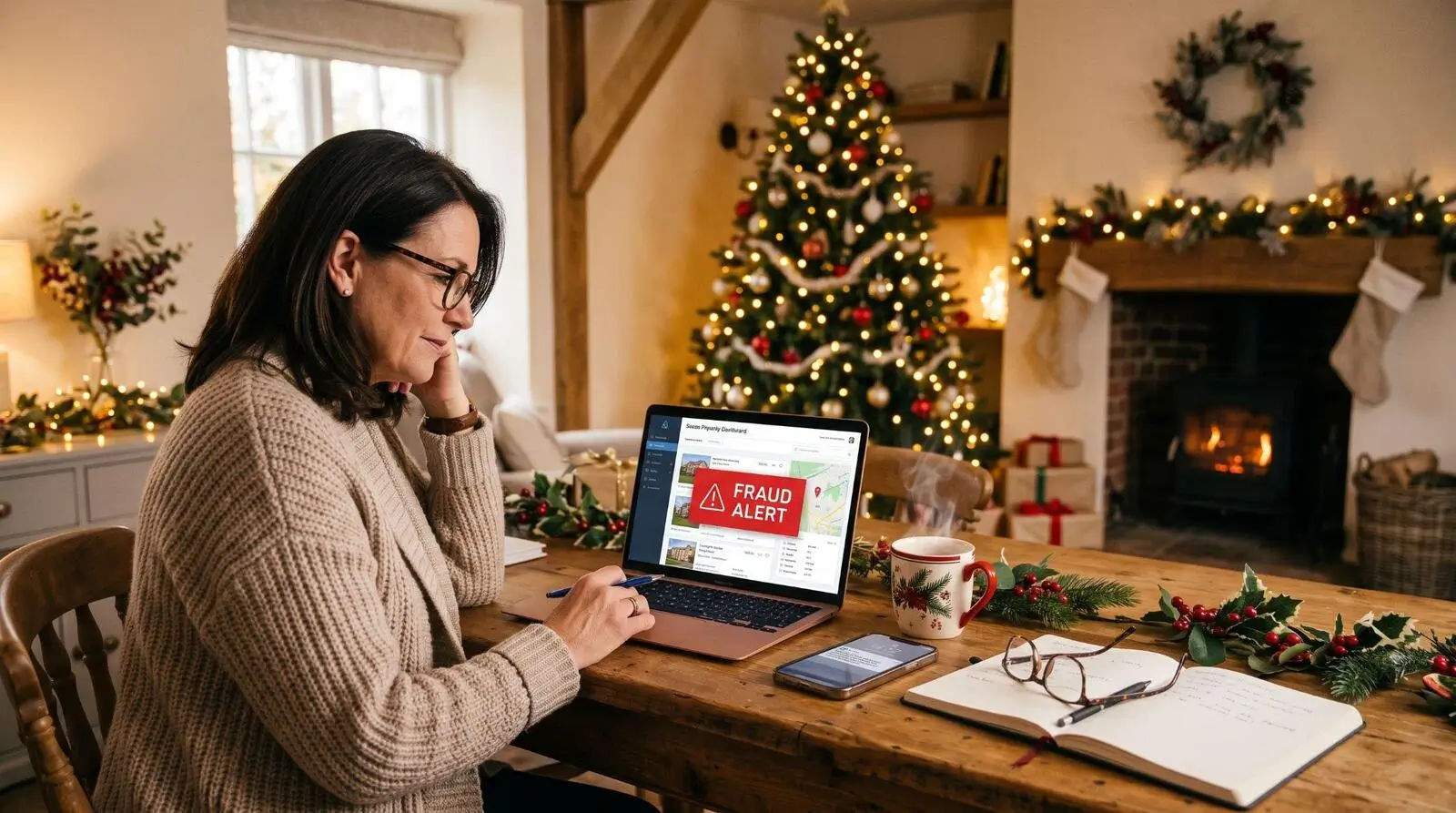
Imagine a family arriving at your Henrico rental with a moving truck, a signed lease, and a receipt for the deposit they paid. The problem is that you never met them. A scammer copied your listing, collected their money, and disappeared.
Rental scams hurt renters first, but they also hurt landlords through confused applicants, wasted time, and damaged reputations. The holiday season, when people are busy, distracted, and often rushing to move, is a good time to make sure your listings are protected.
Key Takeaways
- Since 2020, people have reported nearly 65,000 rental scams to the FTC, with about $65 million in losses.
- About half of rental scam reports in the 12 months ending June 2025 started with a fake Facebook ad.
- Scammers often copy real listings, including homes offered through self-tour services.
- Watermarked photos, regular listing searches, and clear payment policies can help protect your property.
- Report fake listings to the platform and to the FTC right away.
How Big the Problem Is
According to the Federal Trade Commission's Data Spotlight on rental scams (December 2025), people have reported nearly 65,000 rental scams since 2020, with about $65 million in losses. The FTC notes that most scams are never reported, so the real number is likely much higher.
- About half of people who reported a rental scam in the 12 months ending June 2025 said it began with a fake Facebook ad.
- Another 16% said it started with a fake Craigslist listing.
- Renters ages 18 to 29 were three times more likely than other adults to report losing money to a rental scam.
Why the Holidays Raise the Risk
Late fall and winter bring renters with tight timelines, such as people relocating for new jobs in January or families moving between school terms. When people are rushed and distracted, they may skip steps like visiting the home or verifying the landlord.
Scammers take advantage of that pressure. They may claim the landlord is out of town for the holidays, push for a quick deposit to "hold" the home, or offer below-market rent as a holiday special.
How Scammers Use Real Listings
The FTC reports that scammers often copy legitimate listings, change the contact information, and repost them on other sites. Some create fake listings from scratch with attractive photos and low rent. The FTC's rental listing scams guide lists warning signs to share with applicants.
Self-tour listings are a particular target. The FTC notes that scammers copy listings from landlords who use self-tour services, then tell victims to tour the home themselves before sending money.
How to Protect Your Henrico Listings
- Watermark your photos with your company name or website.
- Search your property address online each week while it is listed.
- Include a clear statement in every ad, such as: we never ask for payment before a tour or a signed lease.
- List the home only on reputable sites, and note in your ad where it is officially advertised.
- Use a consistent phone number and email address so applicants can verify they are talking to you.
- Post a sign at the property with your verified contact information.
Secure Your Self-Tour Process
If you use self-tours, add verification steps. Require ID verification before issuing access codes, use time-limited codes, and remind applicants that you will never ask for money before they apply through your official process.
Our leasing process is built to verify both applicants and listings before any money changes hands.
What to Do If Your Listing Is Copied
- Report the fake listing to the platform where it appears.
- Report the scam to the FTC at ReportFraud.ftc.gov. (ReportFraud.ftc.gov)
- File a report with local police if someone has lost money or shows up at the property.
- Contact the Virginia Attorney General's consumer protection section for guidance. (Virginia Attorney General)
- Warn applicants on your official listing that copies are circulating.
Applicant Fraud Is Rising, Too
Scams do not only target renters. Some scammers apply for rentals using stolen identities or edited pay stubs. During busy seasons, landlords may feel pressure to approve applicants quickly, which makes careful verification even more important.
- Verify ID against the application and credit report. Our tenant screening process includes identity checks.
- Confirm income with an employer contacted through an independent phone number.
- Compare pay stubs with bank deposits.
- Be cautious of applicants who offer to pay several months up front in cash to skip screening.
Protecting Renters Protects You
Helping renters avoid scams also protects your property and reputation. A renter who has been scammed may blame the real owner, leave negative reviews, or even try to move in with a fake lease.
Hypothetical example for illustration only. If a scammer collects a $1,750 deposit from three people for your copied listing, that is $5,250 in losses, plus the time you spend handling calls, police reports, and confused visitors. A weekly five-minute search for your address could help you catch the fake ad early.
Frequently Asked Questions
How do I know if my rental listing has been copied?
Search your property address and listing photos online. If you find your home advertised with a different price, phone number, or email address, it may be a scam listing.
Where do most rental scams start?
According to the FTC, about half of rental scams reported in the 12 months ending June 2025 began with a fake ad on Facebook, and 16% started on Craigslist.
Are self-tour rentals more at risk?
The FTC reports that scammers copy listings from landlords who use self-tour services. Adding ID verification and clear payment policies can reduce the risk.
Where do I report a rental scam?
Report it to the platform where it appeared and to the FTC at ReportFraud.ftc.gov. Contact local police if someone has lost money.
Keep Your Listings Safe This Season
Rental scams are common, but a few simple habits can make your property a much harder target. Clear policies, watermarked photos, and regular listing checks protect both your renters and your reputation.
Relevate Property Guides helps Henrico and Richmond owners market rentals safely and screen applicants carefully. Contact our team to learn more.